
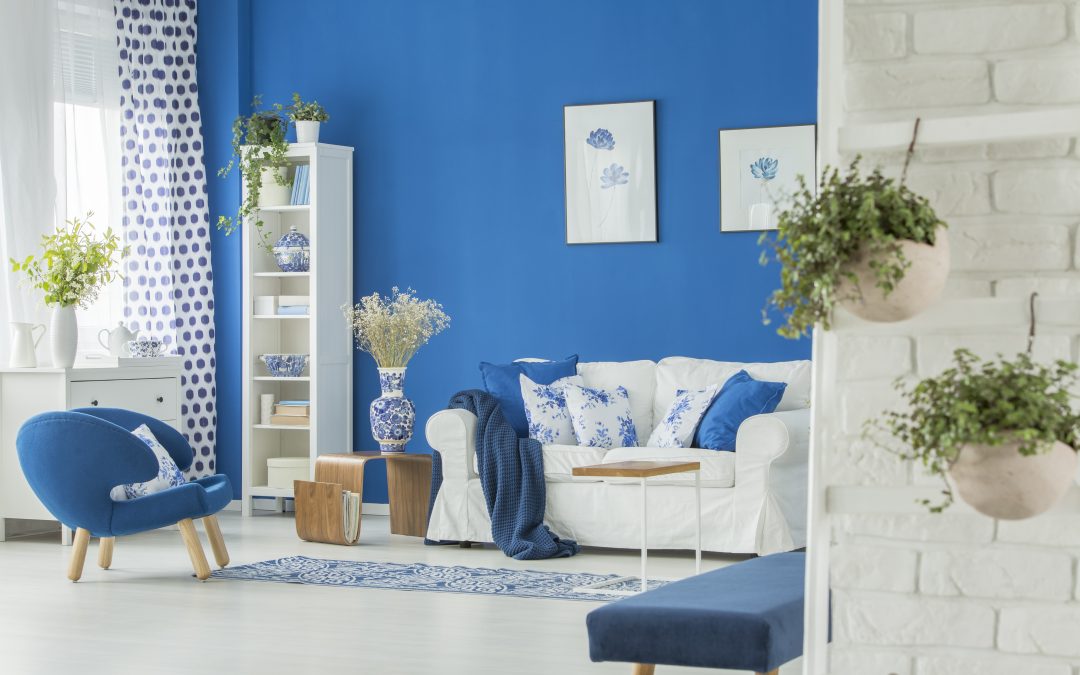
Most home improvement projects require serious money, weeks of disruption, and a contractor schedule that rarely goes the way you planned. A kitchen renovation. A bathroom remodel. New flooring throughout the main level. These projects deliver results, but they come with real cost and real hassle.
Interior painting is different. It's one of the few improvements that delivers an immediate, visible transformation at a fraction of what most renovations cost — and it affects every single room in your home. If you've been sitting on the idea, here's why it's worth taking seriously.
First impressions start inside
When someone walks into your home for the first time, the walls are the first thing they register — often without realizing it. Fresh, well-chosen paint reads as clean, cared for, and current. Faded, scuffed, or dated color reads the opposite, regardless of how nice everything else is.
This matters whether you're entertaining guests, hosting family, or preparing to sell. The overall feeling of a space is shaped heavily by its walls. Furniture, lighting, and decor all matter, but they work against you when the backdrop is tired. Get the walls right and everything else in the room looks better without changing a thing.
The return on investment is hard to argue with
Home improvement projects vary wildly in how much value they return relative to what you spend. Many major renovations return fifty to seventy cents on the dollar when it comes to resale value — and some return less. Interior painting consistently outperforms that range.
Real estate agents frequently cite fresh interior paint as one of the first recommendations they give sellers before listing. Buyers factor in the cost and effort of repainting when they tour a home. Scuffed walls, builder-beige that's yellowed with age, or bold colors that don't translate broadly all create hesitation. A freshly painted interior removes that hesitation before it forms.
For homeowners not planning to sell, the return shows up differently — in daily quality of life. You spend more time inside your home than anywhere else. The environment you come home to affects your mood, your comfort, and how much you enjoy the space. That's a real return, even if it doesn't show up in an appraisal.
It's the most affordable room transformation available
Compare interior painting to other ways of updating a room. New flooring runs several dollars per square foot installed, and that's before you factor in furniture removal and reinstallation. New cabinetry in a kitchen can cost tens of thousands of dollars. Even replacing light fixtures and hardware adds up fast.
A professional interior paint job for a room or a full floor of your home costs a fraction of those alternatives — and the visual impact is comparable. Color and finish change the entire feel of a space. A dark, heavy room becomes lighter and more open. A sterile white room gains warmth and character. These aren't minor adjustments; they're genuine transformations that happen in a day or two.
For homeowners working with a budget, interior painting gives you the most noticeable result per dollar spent of almost any improvement you can make.
Fresh paint protects your walls — not just decorates them
Paint isn't only cosmetic. It creates a protective layer over drywall and plaster that resists moisture, everyday scuffs, and general wear. In high-traffic areas — hallways, stairwells, kids' rooms, kitchens — walls take a beating over time. Dirt, grease, and humidity work into surfaces that aren't properly sealed or maintained.
Repainting with quality products refreshes that protective layer. In rooms like kitchens and bathrooms, choosing the right finish — a semi-gloss or satin that can be wiped down — makes a practical difference in how well the walls hold up between paintings.
This is especially true in older Canton homes where walls may have been painted multiple times over the years with varying products and varying degrees of prep. A professional repaint that includes proper surface preparation — filling holes, sanding smooth, priming where needed — gives you a clean, solid foundation that performs better and lasts longer.
Color has more influence than most people expect
There's legitimate research behind how color affects mood and perception in a space. Cool tones — soft blues, greens, and grays — tend to create calm. Warm tones — creams, tans, and warm whites — create comfort and a sense of welcome. Darker, saturated colors add drama and intimacy to rooms used for relaxing or dining.
Most homeowners pick colors cautiously, which is understandable. But playing it too safe — defaulting to the same off-white in every room — misses the opportunity to make your home feel intentional and personal. A dining room painted a deep, moody color feels completely different at dinner than a room that's the same shade as the hallway.
If choosing colors feels overwhelming, a professional painter can offer guidance based on what tends to work in specific rooms and lighting conditions. Testing sample patches on the actual wall — rather than relying on a small chip — before committing to a color is always worth the extra step.
The disruption is minimal compared to other projects
Renovation projects have a way of consuming your home for weeks. Kitchens become unusable. Bathrooms get torn apart. Dust spreads to rooms nowhere near the work zone.
Interior painting is contained and fast. A professional crew can complete a room in a day, multiple rooms in two or three days, and a full interior in under a week for most homes. Your home remains livable throughout. Furniture gets protected and moved back. The space is usable again almost immediately after the crew wraps up.
For homeowners who've avoided improvements because of the disruption factor, painting is the low-friction option that still produces a meaningful result.
Timing makes a difference
Spring is a natural time to think about interior painting. After months of closed windows and indoor living, you notice things — the scuff on the hallway wall, the living room color that felt right five years ago but doesn't anymore, the bedroom that never quite had the feel you wanted.
April and May in Canton are also when exterior work picks up, which means interior projects can often be scheduled quickly before the summer rush hits. If a room or two has been on your list, now is a reasonable time to act on it rather than push it to next year.
Few home improvements deliver what interior painting does at the price point it delivers it. Fresh walls, properly prepared and painted with quality products, change how a space feels, protect the surfaces underneath, and add genuine value whether you're staying or selling. The work is fast, the disruption is low, and the result is something you live with every day.
For homeowners in Canton ready to make that change, Trusted Canton Painters offers free estimates and brings the same level of prep and craftsmanship to interior projects that they bring to every job. Call 234-262-9070 to get started.
Frequently Asked Questions:
How often should interior walls be repainted?
Most interior walls benefit from repainting every five to seven years under normal conditions. High-traffic areas like hallways, kitchens, and kids' rooms may need attention sooner. If you're noticing visible scuffs, fading, or yellowing, it's worth repainting regardless of timeline.
What finish should I choose for different rooms?
Flat or matte finishes work well in low-traffic areas like bedrooms and dining rooms. Eggshell is a versatile option for living spaces. Satin and semi-gloss hold up better in kitchens, bathrooms, and trim work where walls get wiped down regularly.
Do I need to move all my furniture before the painter arrives?
Remove small items, valuables, and anything fragile. A professional crew will protect and move larger furniture as part of the job. Clearing the space as much as possible beforehand helps the project move faster.
Can one room really make a noticeable difference?
Yes. A single room — especially a living room, master bedroom, or entryway — can shift the entire feel of a home. You don't need a full interior repaint to notice a meaningful improvement.
How do I pick the right color without committing too early?
Buy sample sizes of your top two or three choices and paint test patches directly on the wall — at least a foot square. Live with them for a day or two in different lighting conditions before deciding. Colors read very differently on a small chip versus a full wall in your actual space.
What makes professional interior painting worth it versus doing it yourself?
Prep work, product knowledge, and execution. A professional handles surface repair, priming, clean edges, and even coat application in a way that takes real experience to replicate. DIY painting is doable for small projects, but for full rooms or whole-home work, the time investment and quality difference make professional painting the practical choice for most homeowners.